Lichen on Your Roof and Why It's So Stubborn
You've cleared the moss off your roof, or paid someone to, and yet those crusty grey and yellow patches are still clinging on like they've been welded in place. They don't brush off, they don't wash away, and they seem to laugh at anything you throw at them. If that sounds familiar, you're dealing with lichen, and there's a good reason it's the toughest thing to grow on a Derby roof.
Lichen gets lumped in with moss and algae, but it's a different beast altogether, and it needs a different approach. Homeowners across Derby find it especially on older roofs and in exposed spots, and once it's established it can feel impossible to shift. Here's what lichen actually is, why it holds on so hard, and what genuinely removes it without wrecking your tiles.
The quick answer: Lichen is a tough partnership of fungus and algae that anchors its roots into the surface of your tiles, which is why brushing fails and only a proper biocide treatment, given time to work, will clear it for good.
1. Lichen is two organisms working together
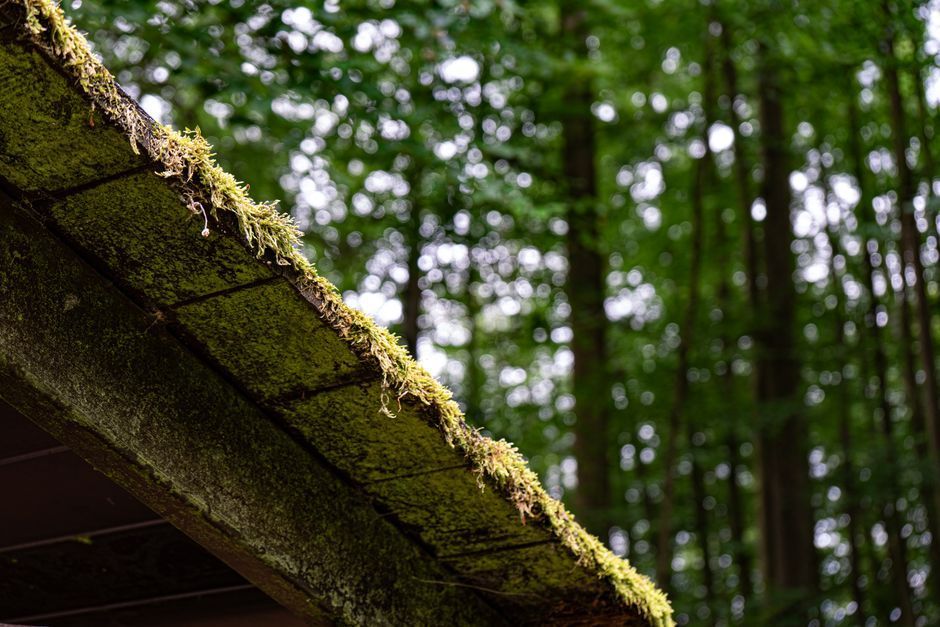
What makes lichen so different is that it isn't a single plant. It's a partnership between a fungus and an alga living as one. The fungus provides the structure and grips the surface, while the alga produces food through photosynthesis. Together they make something far tougher and more self-sufficient than moss or algae on their own.
That partnership is why lichen survives conditions that would kill off other growth. It can dry out completely in a summer spell and spring straight back to life with the next rain. On the exposed roofs around the higher parts of Derby, and on properties catching the wind off the Peak District, this resilience is exactly why lichen takes such a firm hold.
2. Why it grips the tile so hard
Lichen doesn't just sit on the surface like moss does. The fungal part sends root-like structures called rhizines down into the tiny pores and pits of the tile, anchoring itself physically into the material. That's why you can scrape at a lichen patch and still leave a crusty footprint behind, because part of it is embedded below the surface.
Older tiles give it even more to grab. The weathered clay and slate on Derby's Victorian terraces around Normanton and Peartree have decades of tiny cracks and a rougher surface, and lichen finds every one of them. The more textured and porous the tile, the harder the lichen holds, which is why period roofs across the city tend to suffer worst.
3. The conditions that let it thrive here
Lichen is famously sensitive to air quality and loves clean, damp air, which is part of why it does so well in and around Derby now that the smoky industrial days are long gone. Combine cleaner air with the constant moisture rolling in off the Derwent valley and you get ideal growing conditions across a lot of the city's roofs.
It also favours spots that stay damp but get some light, so ridge lines, the tops of slopes, and exposed edges are common places to find it. Homes in leafier suburbs like Allestree and Littleover, where mature trees keep roofs shaded and the air moist, often see lichen creeping across the tiles year after year.
4. Why scraping and pressure washing fail
Because lichen is anchored into the tile, the natural urge is to scrape hard or blast it with a pressure washer. Both cause more harm than good. Scraping damages the surface of the tile and leaves the embedded roots behind, so it grows back. Pressure washing does the same while forcing water under the tiles and cracking older slate in the process.
There's a longer-term cost too. Every time you strip a tile's surface trying to force lichen off, you make it rougher and more porous, which gives the next generation of lichen an even better grip. It's a losing battle done that way, and on the ageing roofs common across Derby it can shorten the life of the tiles.
5. How a biocide treatment finally clears it
The method that actually works is patience and chemistry rather than force. After a gentle low-pressure clean to take off the loose material, a biocide treatment is applied across the roof. It soaks into the lichen and kills both the fungus and the alga, breaking down the partnership that makes it so tough.
The key is giving it time. Unlike moss, lichen doesn't drop off the moment it's treated. Over the following weeks and months the dead lichen loosens its grip and the Derbyshire weather gradually washes it away. It's slower than people expect, but it's the only approach that clears lichen without tearing up the tile it's stuck to.
6. Keeping lichen from taking over again
Once it's cleared, staying ahead of lichen is about controlling damp and keeping an eye on the roof. Clear gutters help the roof drain and dry, and cutting back overhanging branches lets more air and light reach the tiles. Lichen is slow-growing, so catching new patches early makes them far easier to treat.
A periodic biocide top-up is worth considering, particularly for exposed or older roofs. Given Derby's damp climate and clean air, lichen will always try to come back eventually, but a treated roof that's checked every few years stays clear far more easily than one left to weather on its own.
- It's a partnership: Lichen is a fungus and an alga living together, which makes it far tougher than moss.
- It anchors in: Root-like rhizines grip into the pores of the tile, so it won't brush off.
- Older tiles suffer most: Weathered clay and slate on Derby's period roofs give lichen plenty to hold.
- Force backfires: Scraping and pressure washing damage tiles and leave the roots behind.
- Biocide and patience win: A treatment that kills both organisms, given time, clears lichen properly.
Frequently Asked Questions
Is lichen bad for my roof?
It can be, over time. As the rhizines work into the tile and the lichen holds moisture against the surface, it can accelerate wear on the tiles, so removing it protects the roof rather than just tidying its appearance.
Why is lichen harder to remove than moss?
Moss sits on top and lifts off, but lichen roots itself into the tile and combines a fungus with an alga, making it far more resilient. That's why it needs a biocide and time rather than a quick brush.
How long before the lichen disappears after treatment?
Expect weeks to months, not days. The biocide kills it first, then it slowly loosens and weathers off with the rain, so patience is part of the process on any lichen-heavy roof.
Does lichen mean my roof is in bad condition?
Not necessarily. Lichen loves clean, damp air and often grows on perfectly sound roofs, though it does favour older, more porous tiles, so it's more a sign of the climate than of damage.
Can I stop it coming back completely?
Not permanently, given Derby's damp air, but you can keep it in check. Clear gutters, trimmed branches and an occasional biocide top-up keep new growth slow and easy to manage.
Struggling with stubborn lichen on your roof?
Ben's Roof Cleaning provides roof cleaning, moss removal and gutter cleaning across Derby and Derbyshire, with over 15 years of experience. Get in touch or call 01332 325923
for a free, no-obligation quote.
The stubborn growth that gives in to patience
Lichen earns its reputation as the hardest thing to clear off a roof, but it isn't unbeatable. Once you know it's a fungus and alga rooted into the tile, you understand why force never works and why a proper treatment does. For the older, exposed roofs across Derby, a soft wash and biocide, given the time to do its job, is what finally leaves the tiles clean.