How Often Should You Really Clean Your Roof?
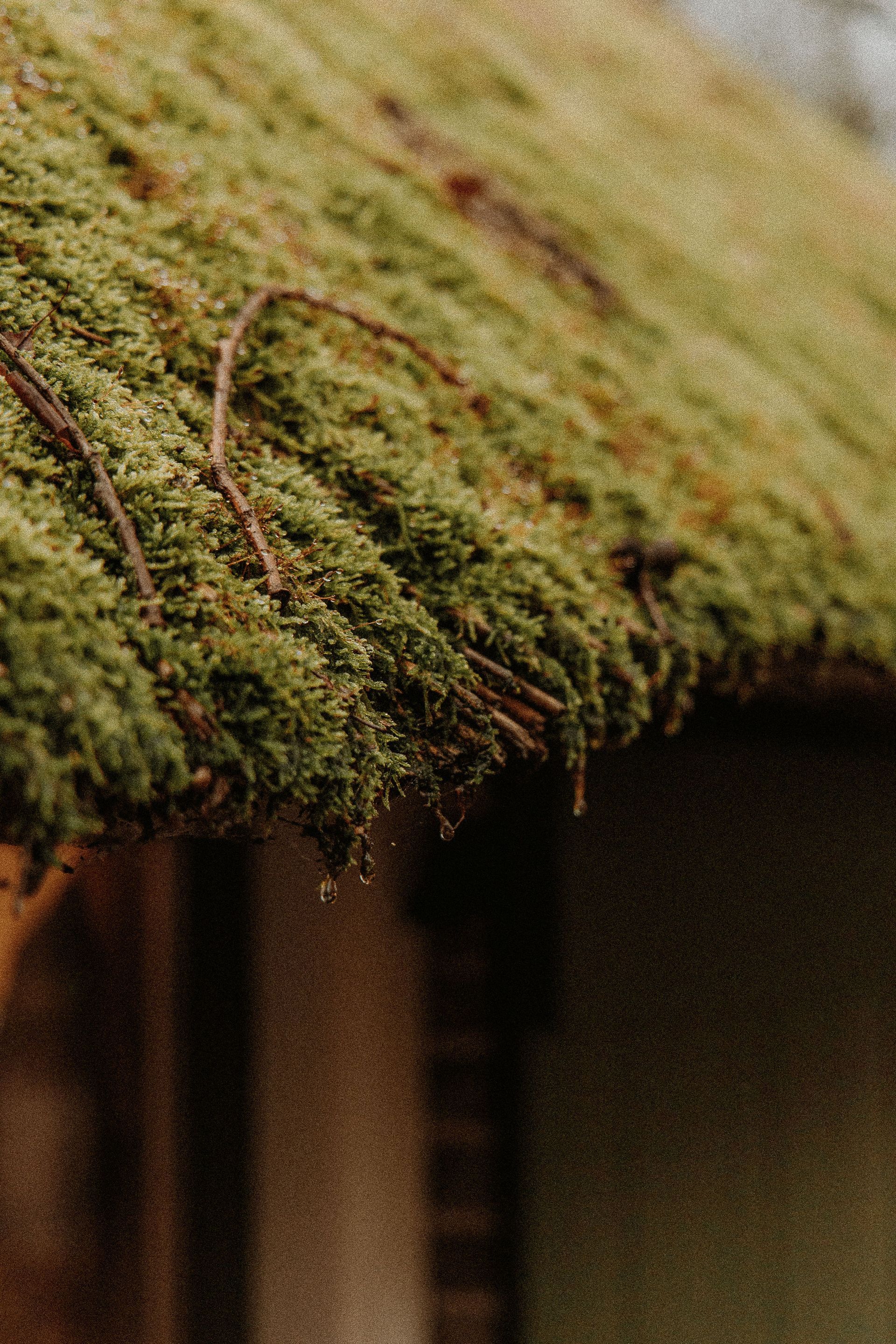
You probably don't give your roof a second thought until something looks off, like a green patch creeping across the tiles or a gutter that's started to sag at one end. By the time it's caught your eye, the moss has usually had a good while to settle in and dig its roots between the tiles. Most people around Derby only look up when a neighbour gets theirs done, or when the garden's littered with gritty bits of tile after a windy night.
The tricky part is there's no single rule that fits every house. A roof in Allestree sitting under a canopy of tall trees behaves nothing like an exposed one on the higher ground out towards Mickleover. So the honest answer to how often you should clean your roof depends on a handful of things, and this guide walks you through each of them so you can judge your own home.
The quick answer: Most Derby roofs do well with a proper clean every two to three years, though shaded or north-facing properties often need attention sooner.
1. Why There's No One-Size Answer
Two houses on the same street can need cleaning at completely different intervals. It comes down to which way the roof faces, how much sun it gets through the day, and what's growing nearby. A south-facing slope dries out quickly after rain, so moss struggles to take hold. Flip that to a north-facing pitch that stays damp until noon and you've got the perfect bed for it.
Think of your roof as its own little climate. The bits that stay wet the longest are the bits that go green first. That's why you'll often see one side of a Derby semi looking spotless while the other is furry with growth, even though both halves were built the same day with the same tiles.
2. The Derby Climate Factor
Derby sits in the Derwent valley, and that river valley holds moisture in the air far more than people expect. Add the Peak District just to the north-west, which drags in wet weather off the hills, and you've got a climate that keeps roofs damp for a big chunk of the year. Damp is what moss, algae and lichen live on, so our local weather does a lot of the growing for them.
Autumn and winter are the worst stretch. From roughly October the roofs barely get a chance to dry out, and by late winter the green really shows. If you're the sort who likes to stay ahead of it, a clean every couple of years keeps things from ever getting to that heavy, spongy stage that's harder to shift.
3. What Your Roof Material Tells You
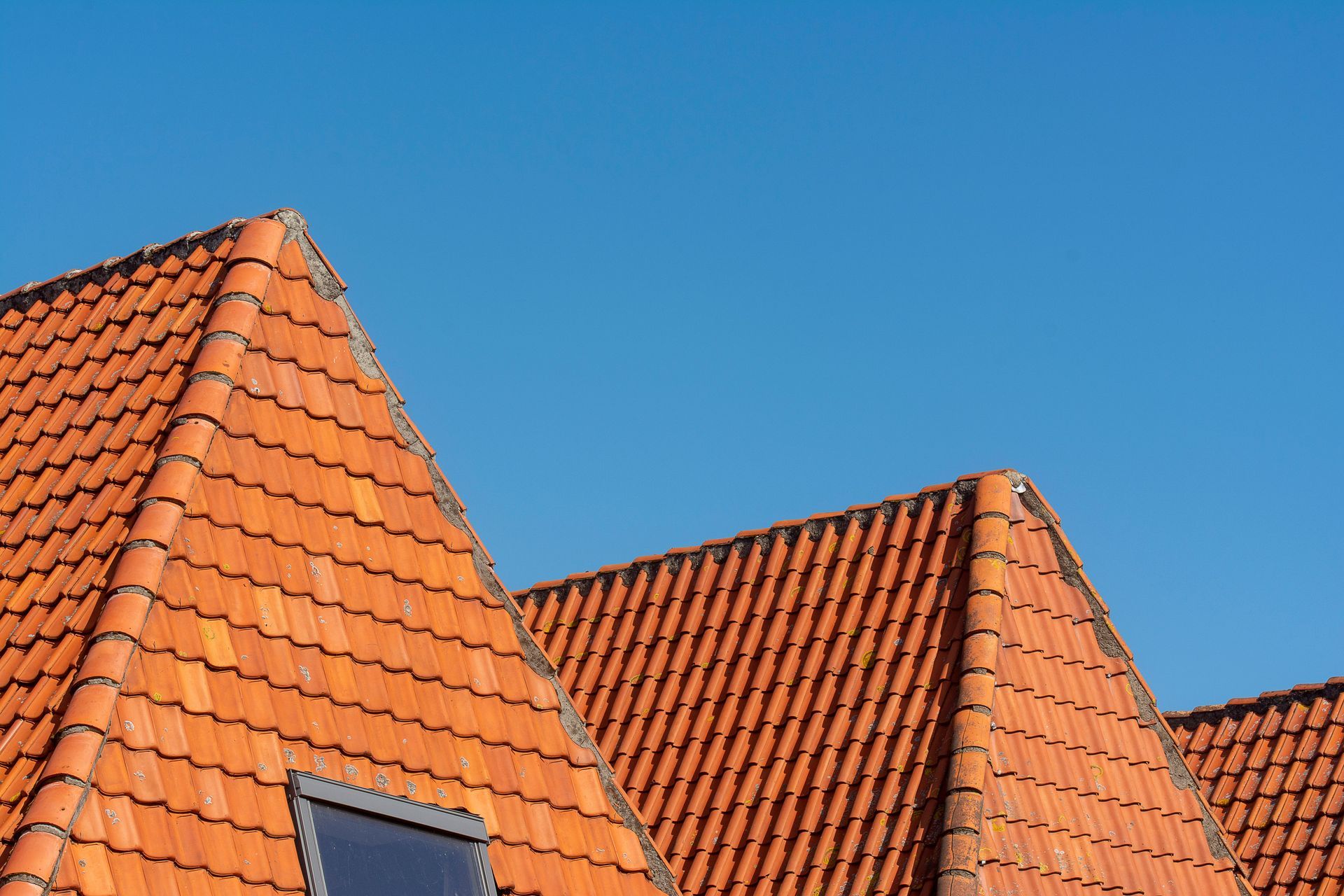
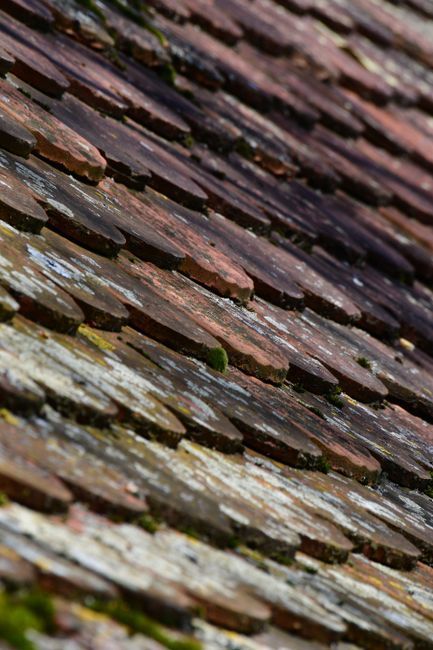
Older Derby homes, especially the Victorian terraces around Normanton and the streets near the city centre, tend to wear Welsh slate or older clay tiles. Slate is smooth and sheds water well, but once moss gets a footing in the gaps it spreads fast. Clay is more porous, so it holds a little damp and can green up quicker than you'd think for such a hard-wearing material.
Newer estates in places like Chaddesden and parts of Mickleover often have concrete interlocking tiles. These are tough, but they have a rougher surface that gives moss plenty to cling to, and their protective top layer wears thinner with age. Knowing what's over your head helps you judge how often it'll need seeing to.
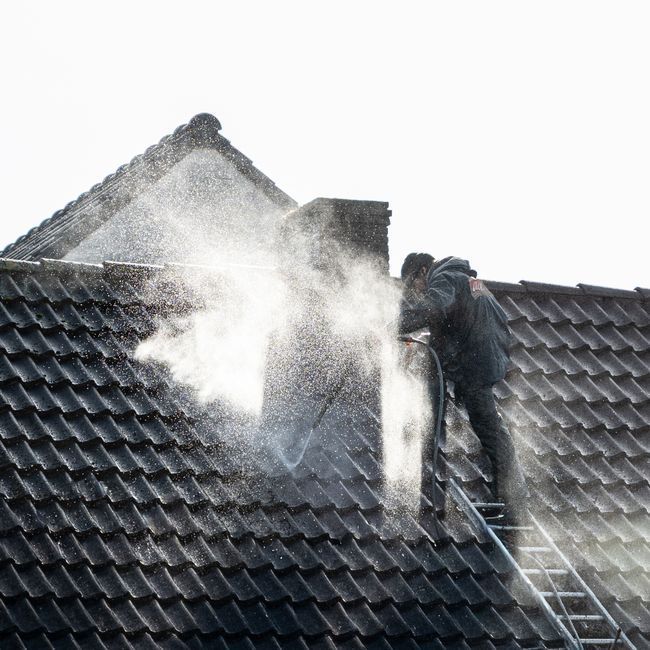
4. How Shade and Trees Speed Things Up
Trees are the biggest hidden factor. If your house backs onto mature trees, and plenty do in the leafier parts of Allestree and Littleover, you're dealing with two problems at once. The shade keeps the roof damp, and the falling leaves and sap feed the growth and clog your gutters at the same time.
Overhanging branches also drip long after the rain has stopped, so those tiles never really get a dry spell. A roof like that might need cleaning every eighteen months to two years rather than the usual three. Cutting back branches where you safely can will stretch the time between cleans, though it won't remove the need entirely.
5. Spotting the Signs Between Cleans
You don't need to climb up to keep an eye on things. Stand across the road and have a proper look every few months. Green or black streaks, clumps of moss along the tile edges, and bits of tile grit collecting in the gutters all tell you growth is building up. Moss falling into the garden after wind or rain is another clear hint.
Inside, keep an ear out during heavy rain. Water spilling over a gutter edge rather than running down the downpipe often means moss has washed off the roof and blocked things up. Catching these signs early means a straightforward clean rather than a bigger job later on.
6. Maintenance vs One-Off Cleaning
There are really two ways to handle it. Some people wait until the roof looks bad, then book a full clean to reset it. Others prefer a lighter touch on a regular cycle so it never gets to that point. Both work, and which suits you depends on your budget and how much the look of the place matters to you.
A soft wash, which uses low-pressure water together with a biocide treatment, tends to keep a roof cleaner for longer than a quick blast, because the treatment carries on working after the visit. For a lot of Derby homes, a clean every two to three years paired with the odd gutter clear is the sweet spot between effort and a tidy roof.
- South-facing roofs: Dry out fastest, so often every three years is plenty.
- North-facing or shaded roofs: Stay damp longer, so lean towards every eighteen months to two years.
- Tree-lined properties: Expect more frequent gutter clears alongside roof cleans.
- Older slate and clay: Watch the gaps between tiles where moss takes hold.
- Concrete interlocking tiles: Rougher surface grips moss, so keep a closer eye as they age.
Frequently Asked Questions
Can I just clean my roof myself once a year?
It's rarely worth the risk. Working at height on wet, mossy tiles is where most accidents happen, and heavy-handed scrubbing or pressure washing can crack tiles and strip their surface, which makes moss come back faster.
Does cleaning my roof more often damage it?
Not if it's done gently. A low-pressure soft wash is kind to slate and tile, so a sensible cycle protects the roof rather than wearing it out. It's harsh, high-pressure blasting that causes harm.
What time of year is best for roof cleaning in Derby?
Late spring through early autumn is ideal, since drier spells let the treatment settle and work properly. That said, the work can be done through much of the year when the weather cooperates.
Will a biocide treatment mean I never need cleaning again?
No, but it stretches the gap considerably. The treatment keeps working for months after the visit, slowing regrowth, so your roof stays cleaner longer before the next clean is due.
How do I know if it's moss or algae on my roof?
Moss looks green and spongy and sits proud of the tiles, while algae shows as flatter black or green streaks. Both hold damp against the roof, and both are worth clearing.
Not sure how often your roof needs doing?
Ben's Roof Cleaning handles roof cleaning, moss removal and gutter cleaning across Derby and Derbyshire, with over 15 years of experience. Get in touch or call 01332 325923
for a free, no-obligation quote.
Your Roof Sets Its Own Schedule
The best guide isn't a fixed number of years, it's the roof itself. Watch how quickly the green comes back after a clean, factor in the shade, the trees and the damp that comes with living near the Derwent, and you'll soon get a feel for your own home's rhythm. Keep half an eye on it through the seasons and you'll never be caught out by a roof that's quietly gone green while you weren't looking.