How a Biocide Treatment Keeps Your Roof Cleaner for Longer
You've had your roof cleaned before, watched it look great for a season, and then groaned as the green crept back within a year. It's frustrating to pay for a clean that doesn't last, and plenty of homeowners in Derby have been there. The missing piece is almost always the same one, and it isn't the scrubbing or the washing.
It's the biocide treatment. This is the part of the job that does the quiet, long-term work, and it's the difference between a roof that stays clean for years and one that greens up again by next autumn. If you want to understand why a good roof clean lasts, this is where to look. Here's how a biocide treatment actually keeps your roof cleaner for longer.
The quick answer: A biocide treatment kills the moss, algae and lichen spores down in the surface of the tile and keeps working for weeks after application, so growth can't quickly re-establish the way it does after a wash alone.
1. What a biocide actually does
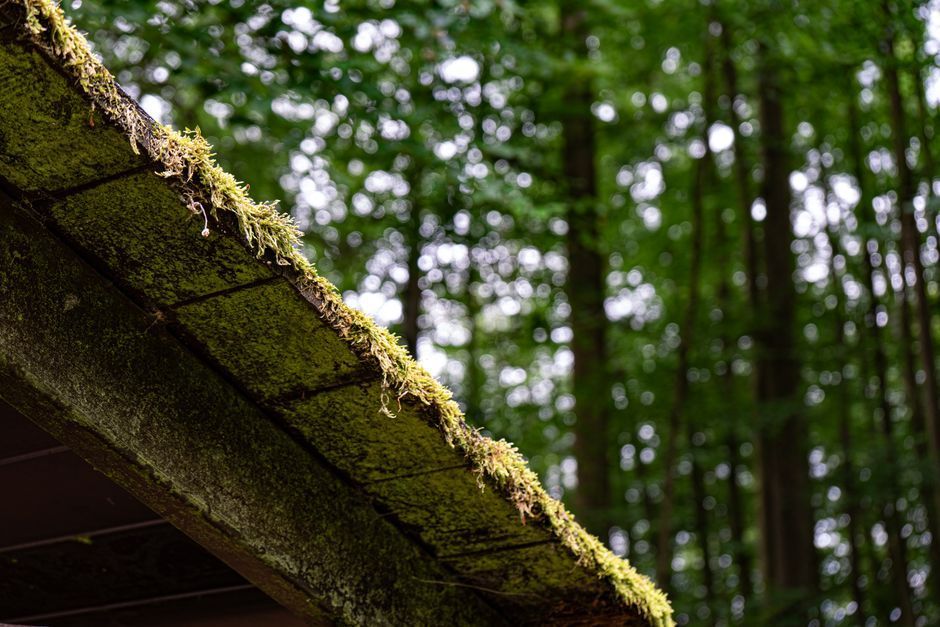
A biocide is a treatment designed to kill living organisms, and on a roof that means the moss, algae and lichen that cause all the trouble. Where a wash only removes what's on the surface, a biocide gets into the spores and roots that sit deep in the pores of the tile, the part you can't see and can't scrub out.
That's the key distinction. A pressure wash or even a gentle rinse takes off the visible growth, but it leaves the microscopic spores behind, ready to regrow the moment conditions turn damp again. In a place like Derby, where damp is never far away, those spores don't wait long. The biocide is what deals with them.
2. Why a wash alone never lasts
Think about what happens when you only wash a roof. It looks clean, the moss is gone, and everyone's happy for a few months. But the living spores are still embedded in the tile, and the first stretch of wet Derbyshire weather wakes them up. Within a year you're back where you started, sometimes worse.
This is why so many people feel roof cleaning is a waste of money. Usually it's not the cleaning that failed, it's that no treatment was applied to stop the regrowth. On the shaded, north-facing roofs common across Derby suburbs like Chaddesden and Sinfin, a wash without a biocide is almost guaranteed to green up fast.
3. How it keeps working after the crew leaves
The clever thing about a biocide is that it doesn't stop when the application does. Once it's on the roof, it carries on killing spores and growth for weeks, and in some cases months. This slow, ongoing action is what reaches the parts a same-day clean never could, gradually clearing what's left.
You'll often notice the roof looking better weeks after the work was done rather than worse. The Derbyshire rain that used to spread the moss now helps rinse away the dead growth the biocide has killed off. Instead of the clean fading, it deepens over time, which is exactly what you want.
4. Why Derby roofs benefit from it so much
Some places suit biocide treatment more than others, and Derby is firmly in the "more" category. The city sits in the Derwent valley where damp air lingers, and the nearby Peak District sends plenty of rain its way. Roofs here stay wet longer than in drier parts of the country, which is prime territory for regrowth.
Add in the mature trees that shade so many of the older residential streets, from Littleover to Allestree, and you've got roofs that rarely fully dry out. That constant moisture is why a treatment matters so much locally. Without it, the moss comes back fast. With it, even a damp, shaded roof can stay clear for years.
5. It protects the tiles, not just the look
Keeping a roof clean isn't only about appearance. Moss and algae hold water against the tiles, and in a hard Derbyshire frost that trapped moisture can freeze, expand and slowly damage the surface. Over years, that freeze-and-thaw cycle wears tiles down and shortens the life of the roof.
By killing the growth and keeping it off, a biocide treatment helps stop that damp from building up in the first place. It's a small step that protects a big investment, particularly on the older clay and slate roofs across Derby's Victorian terraces, where replacement tiles are harder to match and costlier to fit.
6. Getting the most from a treatment
A biocide works best as part of a proper job, applied after the loose growth has been cleared so it can reach the surface directly. Trying to spray it over thick moss wastes the treatment, which is why a good clean does the manual and low-pressure work first, then treats the roof underneath.
After that, a little upkeep goes a long way. Keeping gutters clear and branches trimmed helps the roof dry faster, and an occasional top-up treatment keeps the protection fresh. Given how damp Derby stays through the year, checking in every few years keeps a treated roof looking clean far longer than leaving it to chance.
- Kills at the root: A biocide reaches the spores deep in the tile that a wash leaves behind.
- Keeps working: It carries on killing growth for weeks after the crew has gone.
- Beats the damp: Derby's wet, shaded roofs regrow fast without a treatment to stop them.
- Protects the tiles: Less trapped moisture means less frost damage over the winters.
- Works best clean: Applied after the loose growth is cleared, it reaches the surface directly.
Frequently Asked Questions
Is a biocide safe for my roof and garden?
Applied properly by someone who knows what they're doing, yes. A careful crew protects nearby plants and applies the treatment to the roof surface, so it does its job up top without harm below.
How long does the treatment keep working?
It carries on killing growth for weeks, and sometimes months, after application. That ongoing action is exactly what reaches the spores a same-day wash can't, so the roof keeps clearing over time.
Do I still need the roof washed if it's being treated?
Usually yes. The wash removes the bulk of the visible growth first, then the biocide handles what's left and stops it coming back, so the two steps work together rather than one replacing the other.
Will I see results straight away?
The wash makes an immediate difference, but the biocide works slowly. You'll often see the roof carry on improving over the weeks that follow as the treated growth dies back and rinses off with the rain.
How often should the treatment be topped up?
It depends on how shaded and damp your roof is. Many Derby homes benefit from a check every few years, and the shadier, tree-covered ones near the river may want a look a little sooner.
Want a roof clean that actually lasts?
Ben's Roof Cleaning provides roof cleaning, moss removal and gutter cleaning across Derby and Derbyshire, with over 15 years of experience. Get in touch or call 01332 325923
for a free, no-obligation quote.
The step that makes a clean worth paying for
A roof wash makes your tiles look good today, but a biocide treatment is what keeps them that way. By killing the growth at the root and carrying on long after the job is done, it turns a short-lived clean into one that lasts for years. For the damp, shaded roofs across Derby, it's the part of the job that makes all the difference.