Giving Your Roof a Spring Check After Winter
You get through a Derbyshire winter and your roof has quietly taken a battering the whole time. Frost, driving rain off the Peak District, gales and the odd bit of snow all leave their mark, and most of it happens where you can't easily see it. When spring finally arrives, it's the perfect moment to take stock before the year gets away from you.
A spring roof check isn't complicated, and it's one of the smartest bits of home maintenance you can do. Catching a slipped tile or a blocked gutter now, while it's a small job, saves you from a leak and a much bigger bill later on. Here's what to look at on your Derby roof once the worst of the weather has passed.
The quick answer: A spring roof check means looking over your tiles, gutters, flashing and any moss growth after winter, so small bits of frost or storm damage get spotted and sorted before they turn into leaks over summer.
1. Start with a look from the ground
You don't need to climb anywhere to begin. Stand back in the garden or across the street and look over the whole roof with fresh eyes. You're checking for anything out of place, a tile that's slipped, a gap in the line, or a patch that looks darker or greener than the rest. A pair of binoculars makes this a lot easier.
Winter storms are the usual culprit for slipped or missing tiles, and Derby gets its share of blustery weather funnelling down the Derwent valley. Pay extra attention to the edges, the ridge line and anywhere near the chimney, since those exposed spots take the brunt of the wind and are where tiles tend to work loose first.
2. Check the gutters and downpipes
Gutters do their hardest work over winter and often pay the price. Months of falling leaves, twigs and washed-down moss can leave them clogged, and if water isn't running freely by spring you'll want to know. Look for overflow stains down the wall, sagging sections, or plants actually growing out of the guttering.
On Derby's older terraced streets in areas like Normanton, the gutters often run the length of several houses, so a blockage on your stretch can back up water against the wall and into the brickwork. Clearing them in spring, before the growing season really kicks off, keeps the rainwater going where it should and away from your walls.
3. Look for moss that's spread over winter
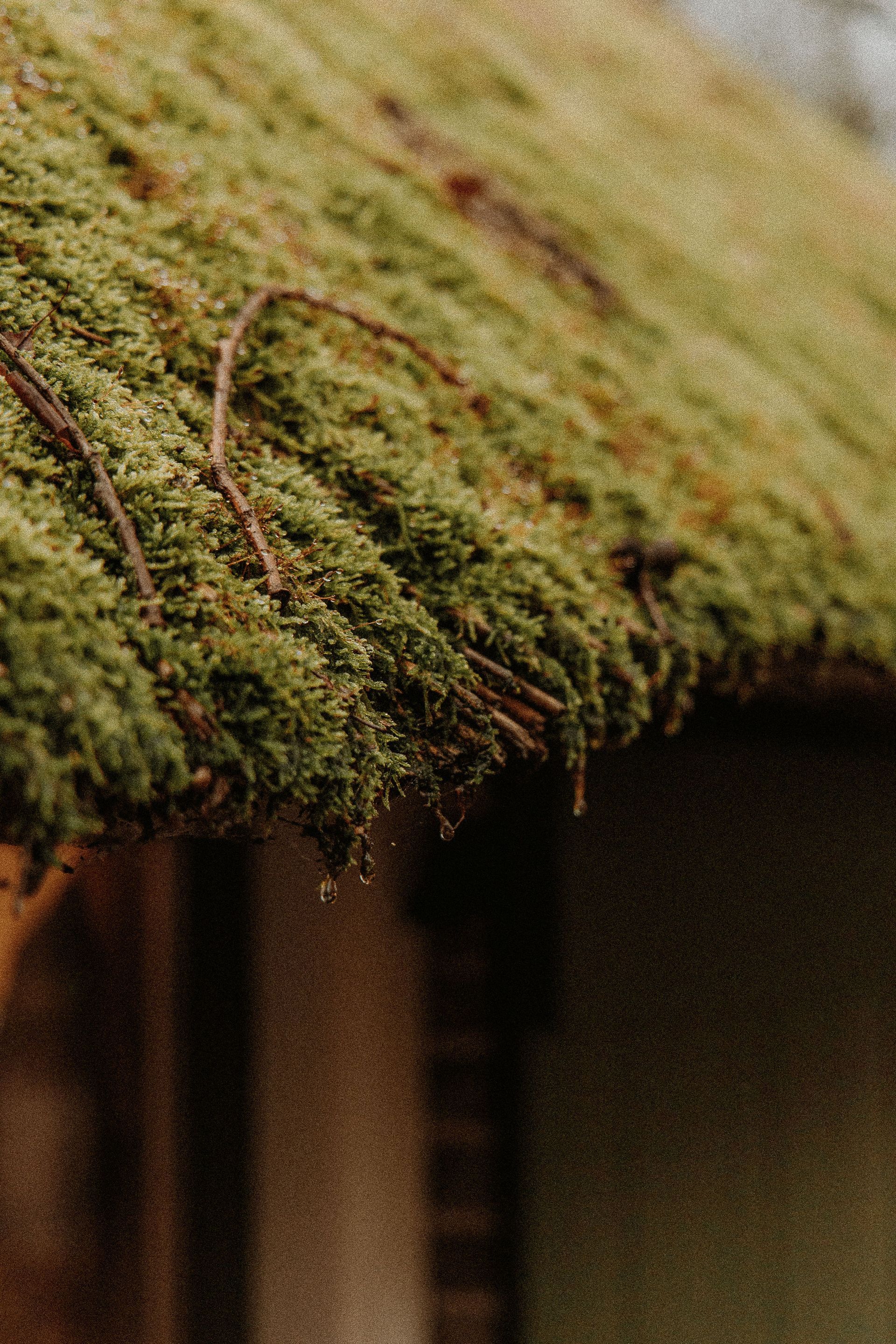
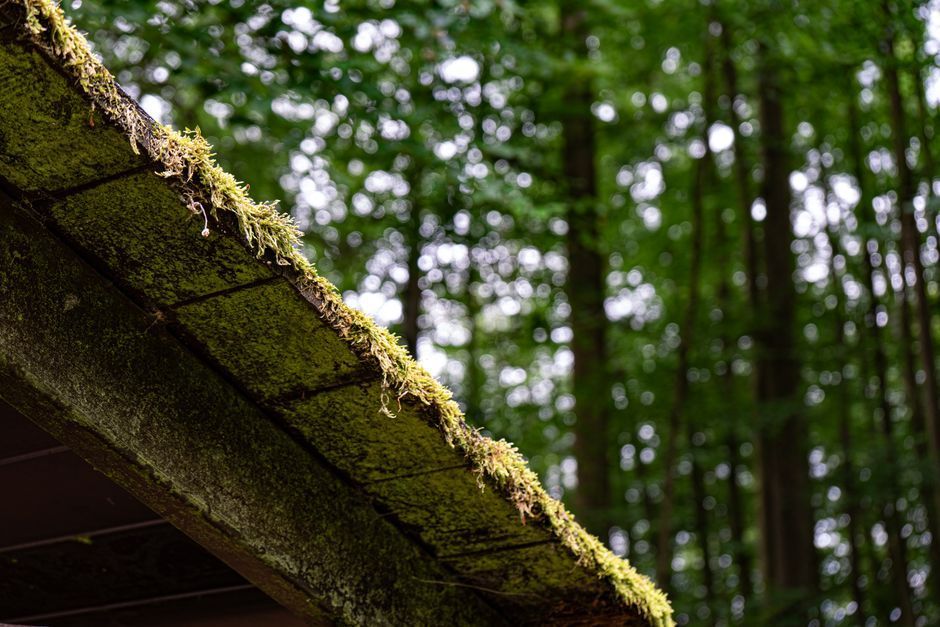
Moss loves the cool, damp conditions of a Derbyshire winter, so spring is usually when you notice how much it's grown. Those green cushions between the tiles hold water against the surface and can lift tile edges as they thicken. A roof that looked fairly clean in autumn can be visibly green by March.
It's worth noting where the growth is heaviest, usually the north-facing slope and any part shaded by trees or a neighbouring building. Homes in leafy suburbs like Allestree and Littleover tend to see the most. Spotting it now means you can plan a proper clean and treatment before the moss thickens up further through the year.

4. Inspect the flashing and chimney
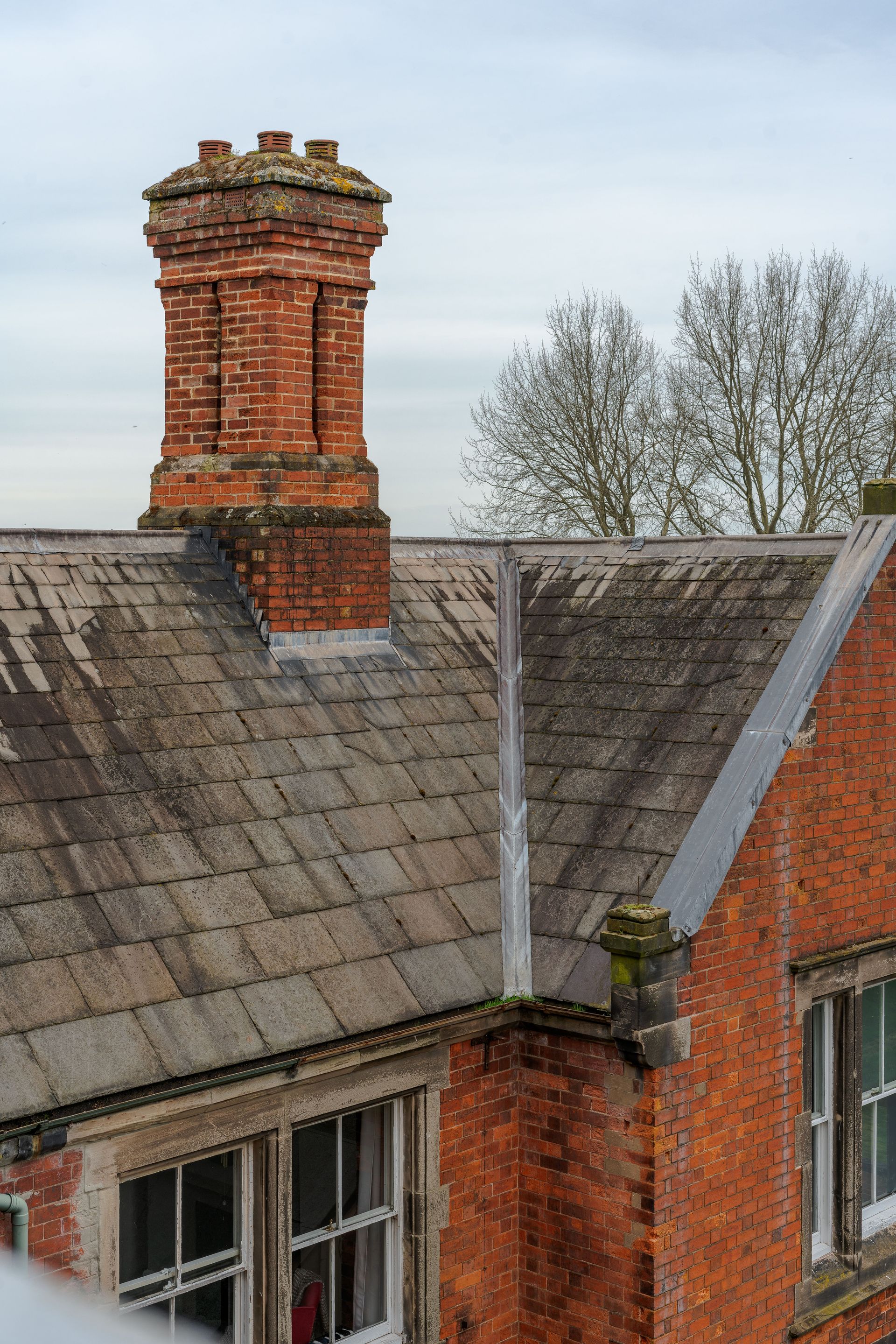
The flashing is the metal or lead that seals the joints around your chimney, in the valleys and against any walls. It's one of the most common places for leaks to start, because winter frost and movement can lift or crack it. From the ground, look for any lead that's come away, slipped, or looks split.
Chimneys take a hammering in exposed weather, and on the older properties across Derby the mortar and pointing can suffer over a wet winter. Loose or crumbling mortar near the chimney is worth flagging, as water getting in there can travel a long way before it shows up as a damp patch on a bedroom ceiling.
5. Check inside the loft too
Some of the best clues are on the inside. On a bright day, head up into the loft and look for any daylight coming through the roof where it shouldn't. Water stains on the timbers, damp insulation, or a musty smell all point to moisture getting in somewhere over winter.
It's a quick job that tells you a lot. A small stain caught now might trace back to a single slipped tile that's cheap to sort, whereas the same leak left until autumn can rot timber and ruin insulation. In a damp city like Derby, that loft check is genuinely worth the ten minutes it takes.
6. Deciding what needs a professional
Plenty of a spring check you can do yourself from the ground, but the actual roof work is another matter. Getting up on tiles is dangerous, especially on the older, steeper roofs common across Derby, and it's easy to cause more damage than you fix. If you've spotted slipped tiles, cracked flashing or heavy moss, that's the point to call someone in.
A professional can safely access the roof, clear and treat the moss, and sort any loose tiles or pointing while they're up there. Getting it done in spring means your roof heads into another year in good shape, rather than carrying winter's damage forward until something finally gives way.
- Ground check first: Scan the whole roof for slipped tiles, gaps and green patches from a safe distance.
- Clear the gutters: Winter debris and moss clog them, so make sure water runs freely by spring.
- Spot the moss: Note where growth has spread over winter so you can plan a clean and treatment.
- Check flashing and chimney: Frost lifts lead and crumbles mortar, both common leak points.
- Look in the loft: Daylight, stains or damp inside reveal problems the outside hides.
Frequently Asked Questions
When is the best time for a spring roof check?
Once the hard frosts have passed and the weather settles, usually from March into April in Derby. That timing lets you catch winter damage before the growing season thickens up any moss and before summer storms arrive.
Can I do the check myself?
The visual parts, from the ground and in the loft, yes. Actually getting onto the roof is best left to a professional, as it's genuinely dangerous and easy to damage tiles or hurt yourself on a steep, slippery slope.
How do I know if winter has damaged my roof?
Look for slipped or missing tiles, overflowing gutters, lifted flashing, and any damp or daylight in the loft. Any of these suggests winter has left its mark and the roof needs attention before it worsens.
Is moss really worth dealing with in spring?
Yes, because spring growth thickens fast over the year. Treating it early, before it lifts tile edges and clogs gutters further, is far easier than tackling a heavily overgrown roof later on.
What if I find a small leak?
Get it looked at sooner rather than later. A minor leak from one slipped tile is a cheap fix now, but left through to the wetter months it can rot timber and spread, turning into a much bigger job.
Want your roof checked and cleaned after winter?
Ben's Roof Cleaning provides roof cleaning, moss removal and gutter cleaning across Derby and Derbyshire, with over 15 years of experience. Get in touch or call 01332 325923
for a free, no-obligation quote.
A little spring effort saves a lot later
Winter is hard on a Derby roof, and spring is your chance to catch what it left behind. A careful look over the tiles, gutters, flashing and loft takes very little time and flags the small problems while they're still small. Sort them now, clear the moss before it thickens, and your roof will carry you comfortably through another year.