What Happens During a Soft Wash, Step by Step
You've probably heard the phrase "soft wash" thrown around and wondered what actually happens when someone cleans your roof that way. Maybe you've seen a neighbour's tiles go from green and streaked to clean over a season and you're not sure what was involved. If your roof in Derby has started growing moss along the north-facing slope, you're right to want to know what you'd be paying for before anyone climbs a ladder.
Soft washing gets talked about a lot but explained very little. It isn't a jet wash, and it isn't a quick blast with a hose either. It's a slower, gentler method built around a low-pressure rinse and a treatment that carries on working for months after the crew has packed up. Here's exactly how a soft wash runs, step by step, so you know what to expect on the day.
The quick answer: A soft wash cleans your roof using low-pressure water and a biocide treatment, so moss and algae are killed off and gently cleared without the high-pressure force that cracks tiles or strips them bare.
1. It starts with a proper look at the roof
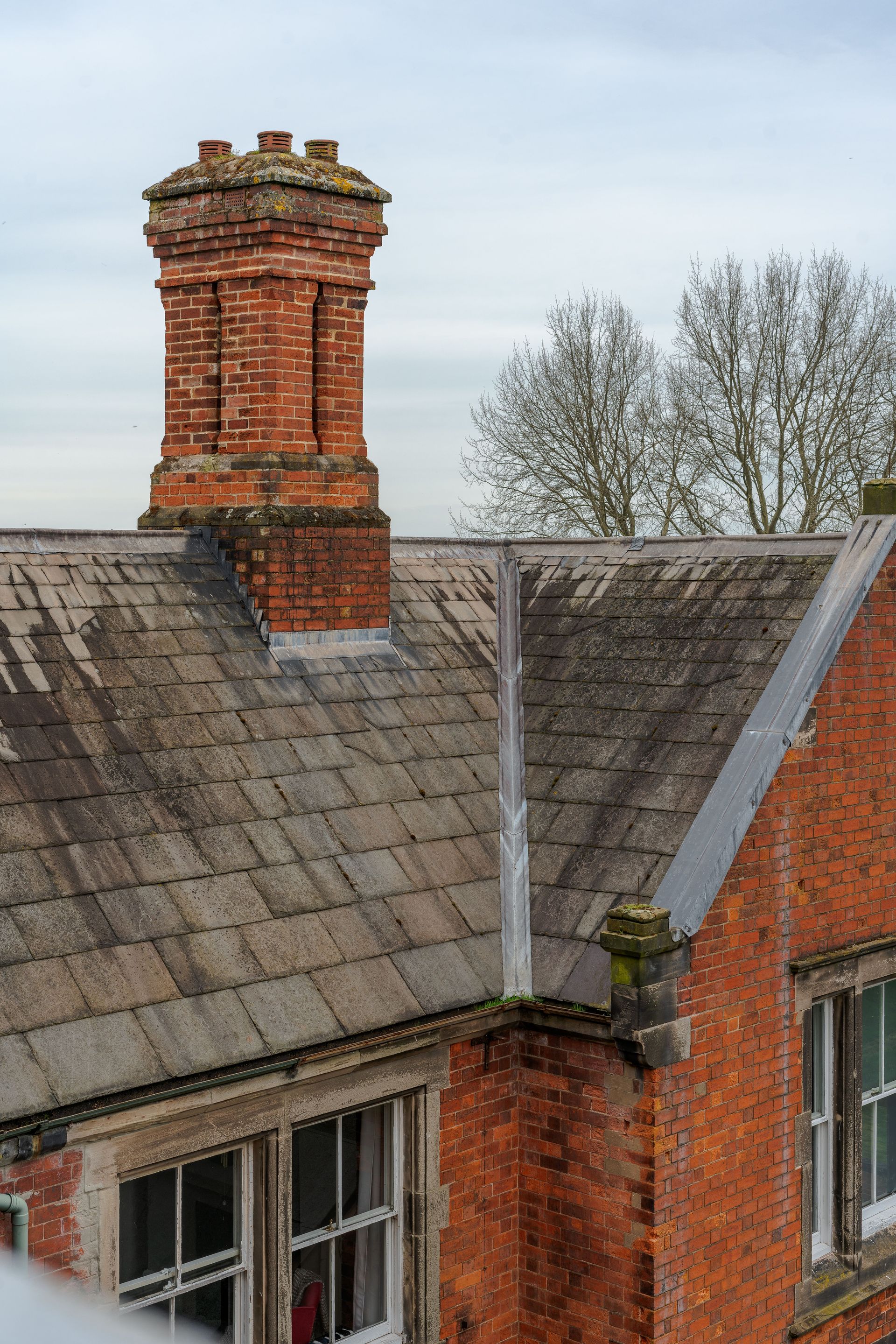
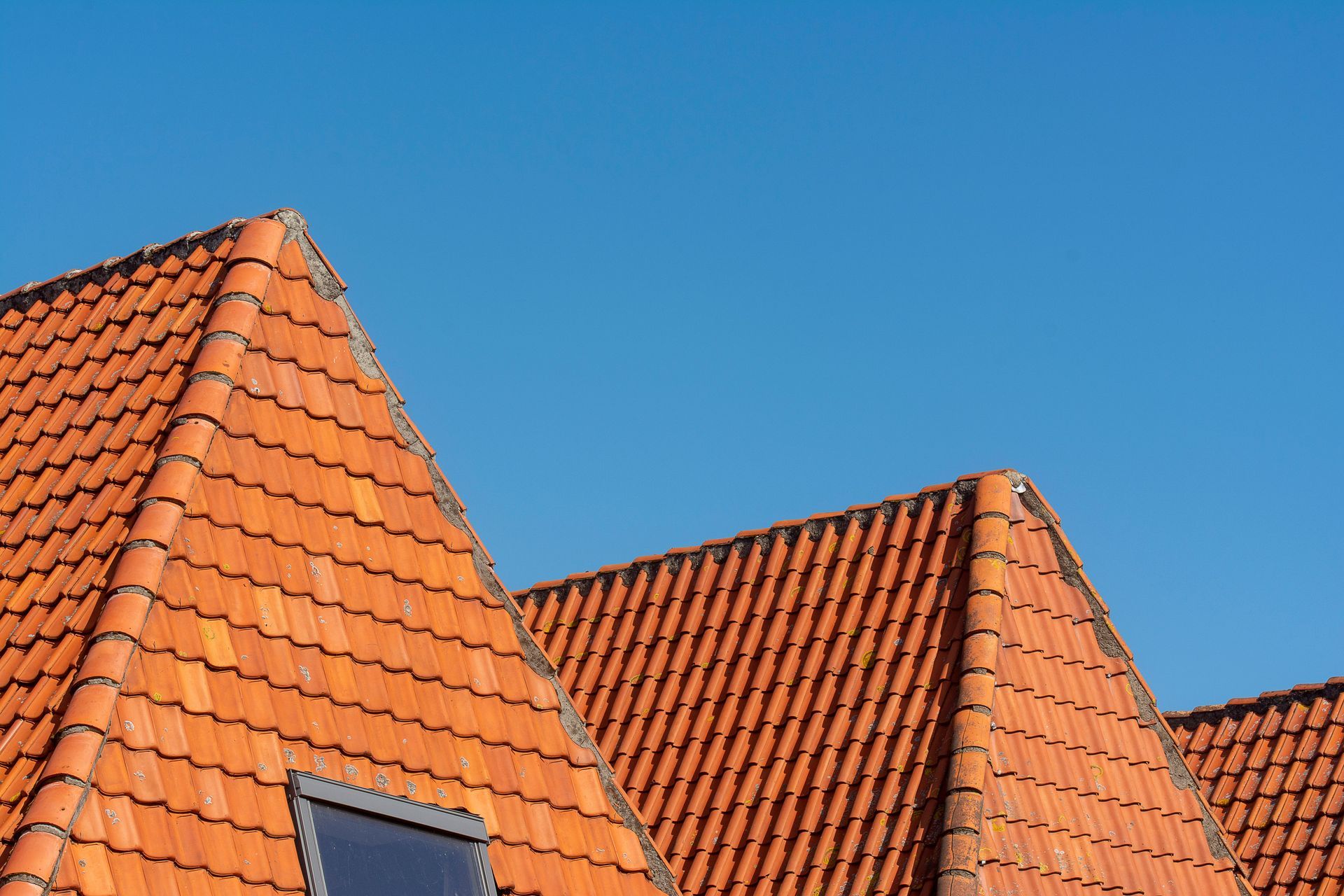
Before any water goes near your tiles, a good cleaner walks the site and looks at what they're dealing with. They'll check whether you've got Welsh slate, concrete tile, or the older clay you find on a lot of Derby's Victorian terraces around Normanton and Peartree. Each one holds moss differently and each one needs a slightly different touch.
This first look also flags the problem spots. North-facing slopes that sit in shade, valleys where two roof sections meet, and the shaded sides of houses near the Derwent all tend to hold damp longer, so that's where the growth is thickest. Getting this right at the start means the rest of the job is done in the right order rather than guessed at.
2. Setting up safely and protecting the ground below
Roof work is height work, so the setup matters as much as the cleaning. The crew sets ladders on firm, level ground, and on many Derby terraces that means working off the pavement or a shared alley, so cones and a bit of common sense keep everyone safe. Where access is tight, which is common on the tighter streets in Chaddesden and Normanton, they'll plan the route up before starting.
Plants, paths and any garden furniture near the drip line get a quick check too. The treatment used in a soft wash is applied carefully, but sensible cleaners still keep an eye on borders and lawns so nothing gets an unwanted dose. A tidy setup is usually a sign of a crew who'll leave your property tidy at the end.
3. Clearing the loose moss by hand first
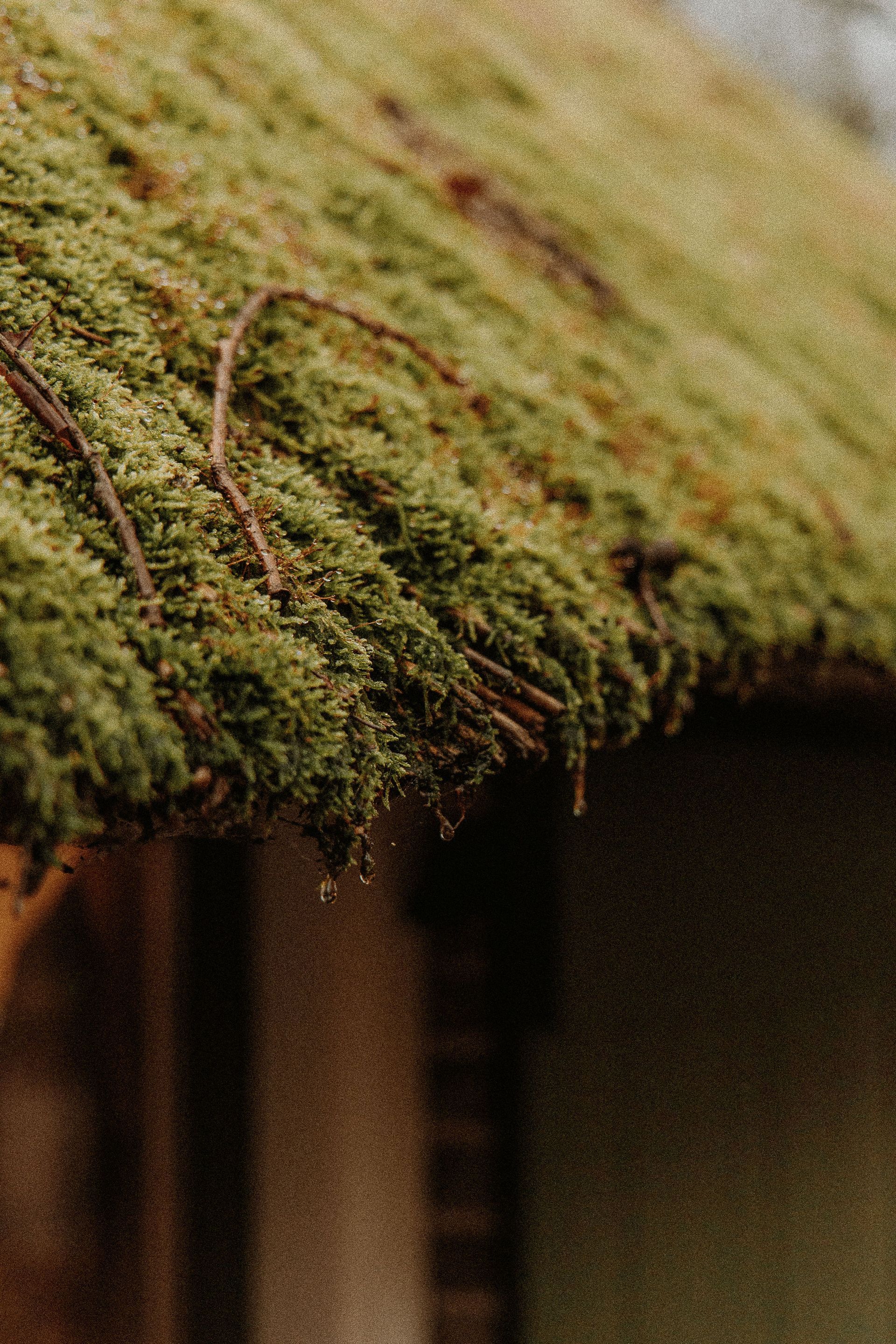
Thick moss doesn't just wash away, and trying to blast it off is how tiles get damaged. So the next step is often manual. Using hand tools and soft brushes, the crew works down the slope and lifts the heavier clumps of moss away from the surface, taking care to work with the lay of the tiles rather than against them.
On a well-established roof, and plenty of homes in Allestree and Mickleover have decades of growth up there, this stage clears a surprising amount. It won't leave the roof spotless on its own, because the roots and staining sit deeper, but it takes off the bulk so the treatment can reach what's left.
4. The low-pressure rinse
Here's where the "soft" in soft wash earns its name. Instead of a pressure washer, the crew uses a low-pressure system that rinses the surface at a fraction of the force. It's closer to a steady flow than a jet, and that's the whole point, because it lifts loosened debris and dirt without driving water up under the tiles or blowing the surface off older slate.
Derby gets its fair share of rain coming in off the Peak District, so tiles here already take a beating from the weather over the years. The last thing an ageing roof needs is a high-pressure blast on top of that. The gentle rinse clears the surface while leaving the tile itself, and any protective coating on concrete tiles, intact.
5. The biocide treatment that does the slow work
The rinse gets the roof looking better, but the treatment is what keeps it that way. A biocide is applied across the cleaned surface, and this is the part that carries on working long after the crew has gone. It kills off the moss spores, algae and lichen roots that a rinse alone can't reach, right down into the pores of the tile.
You won't see the full result the same day, and that's normal. Over the following weeks the treated growth dies back and weathers off naturally with the Derbyshire rain, so the roof keeps getting cleaner on its own. This slow finish is why soft washing lasts, rather than looking good for a month and then greening up again.
6. The final check and the months that follow
Once the treatment is down, the crew does a last walk round. They check the gutters haven't filled with the moss that came off, clear anything that's collected in the downpipes, and make sure the ground and any covered plants are left as they found them. A blocked gutter after a roof clean just moves the problem, so this step matters.
After that, it's a waiting game in the best sense. Through the damp Derby autumn and into winter, the remaining growth breaks down and rinses away. By the time spring comes round, a roof that was streaked and green usually looks clean and even, and it stays that way far longer than a quick pressure wash ever manages.
- Survey first: The roof type and shaded spots are checked before any cleaning starts.
- Safe setup: Ladders, access and ground protection are sorted before work begins.
- Manual clearing: Heavy moss is lifted off by hand so it doesn't need blasting.
- Low-pressure rinse: A gentle flow clears the surface without harming tiles or slate.
- Biocide treatment: The lasting step that kills growth at the root and keeps the roof cleaner for longer.
Frequently Asked Questions
How long does a soft wash take?
Most homes are done in a day. A larger or heavily mossed roof, like the older detached houses out in Allestree, can take a little longer, and the treatment then keeps working for weeks afterwards.
Will my roof look perfect straight away?
Not entirely, and that's by design. The rinse makes a clear difference on the day, but the biocide needs time, so the roof carries on clearing over the following weeks as the treated moss weathers off.
Is soft washing safe for old slate?
Yes, and that's the main reason it's used on Derby's older terraces. The low pressure won't crack or dislodge ageing Welsh slate the way a pressure washer can, so it suits period roofs well.
Do I need to be home on the day?
It helps for access, but it isn't essential as long as the crew can reach the roof and any water supply. Most of the work happens outside, so you can carry on with your day.
How often will I need it done again?
With the biocide treatment doing its job, most roofs stay clear for a good few years rather than months. Homes in shaded, tree-lined spots may want a look sooner, since damp and leaf fall speed the moss back up.
Thinking about a soft wash for your roof?
Ben's Roof Cleaning provides roof cleaning, moss removal and gutter cleaning across Derby and Derbyshire, with over 15 years of experience. Get in touch or call 01332 325923
for a free, no-obligation quote.
A gentle clean that keeps paying off
Soft washing works because it respects your roof instead of fighting it. Every step, from the first survey to the biocide that carries on long after, is built to clear the moss and keep it off without risking the tiles underneath. For the older slate and clay roofs across Derby, that patient approach is exactly what an ageing roof needs.